Liberica – the forgotten hero of world coffee
Liberica…what does it all mean….
>What is Liberica Coffee?
You probably already know about the major species of coffee plants. There’s Arabica (the flavourful one) and Robusta (the strong one); these two species of coffee completely dominate the world market. But on a recent trip through the coffee regions of Laos one of our Real Deal Roasters came across Liberica, the little-known “wild” third species of coffee plant. He brought home a sample to Kent so we thought we’d share our thoughts about it.
What is Liberica Like?
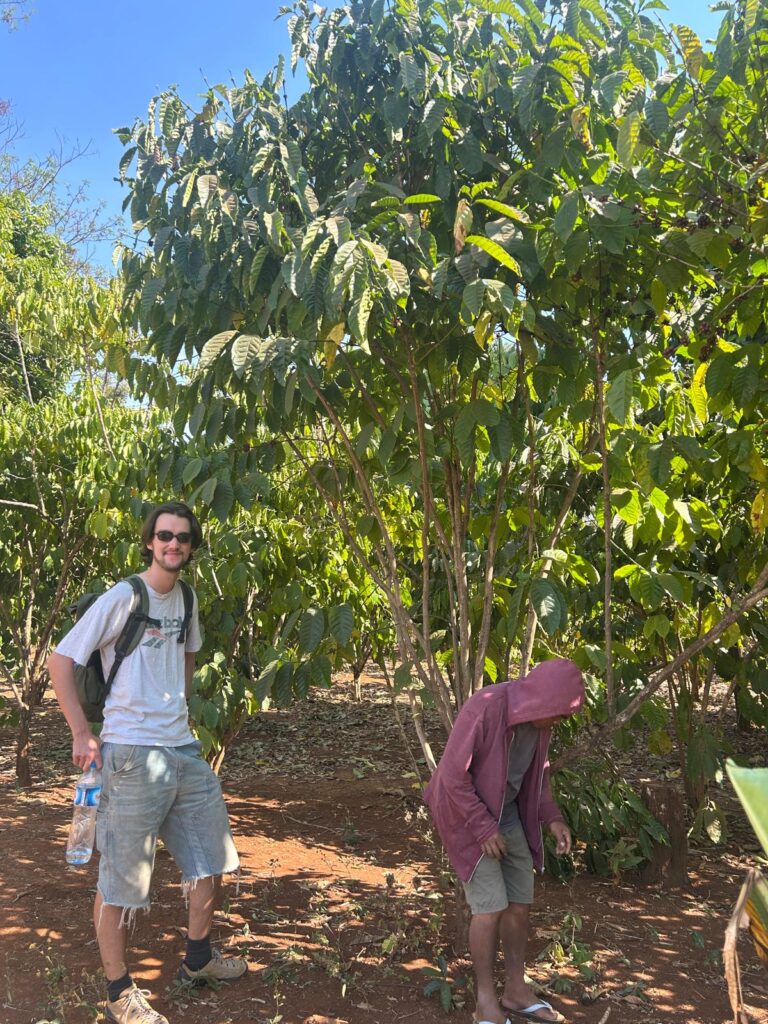
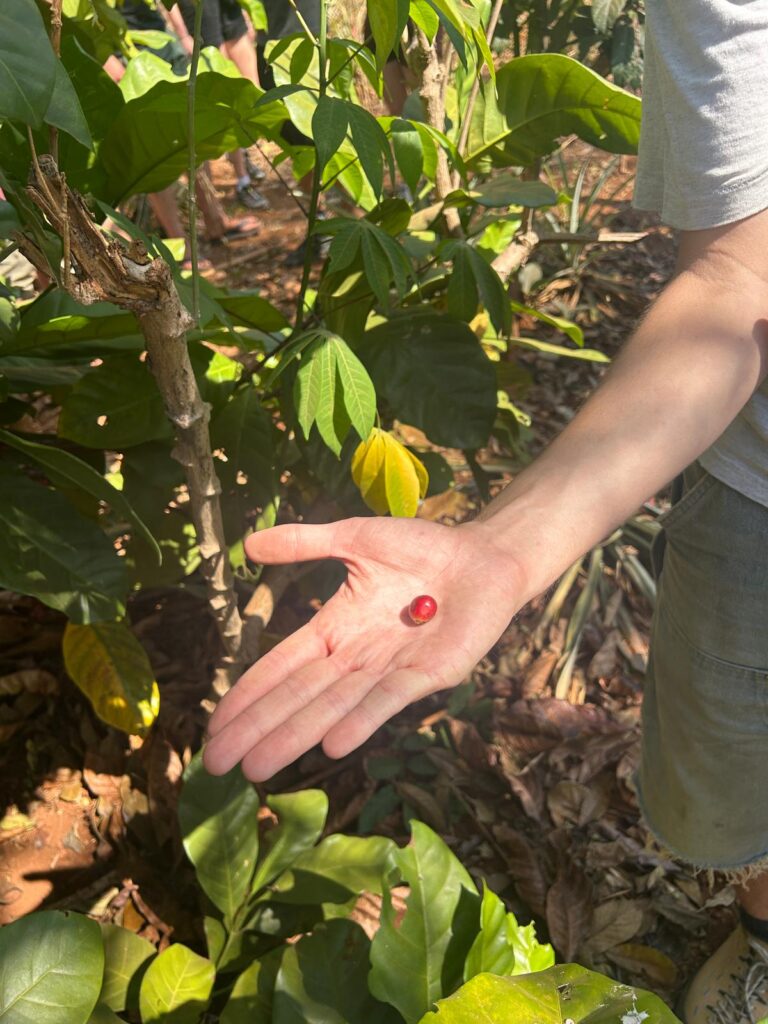
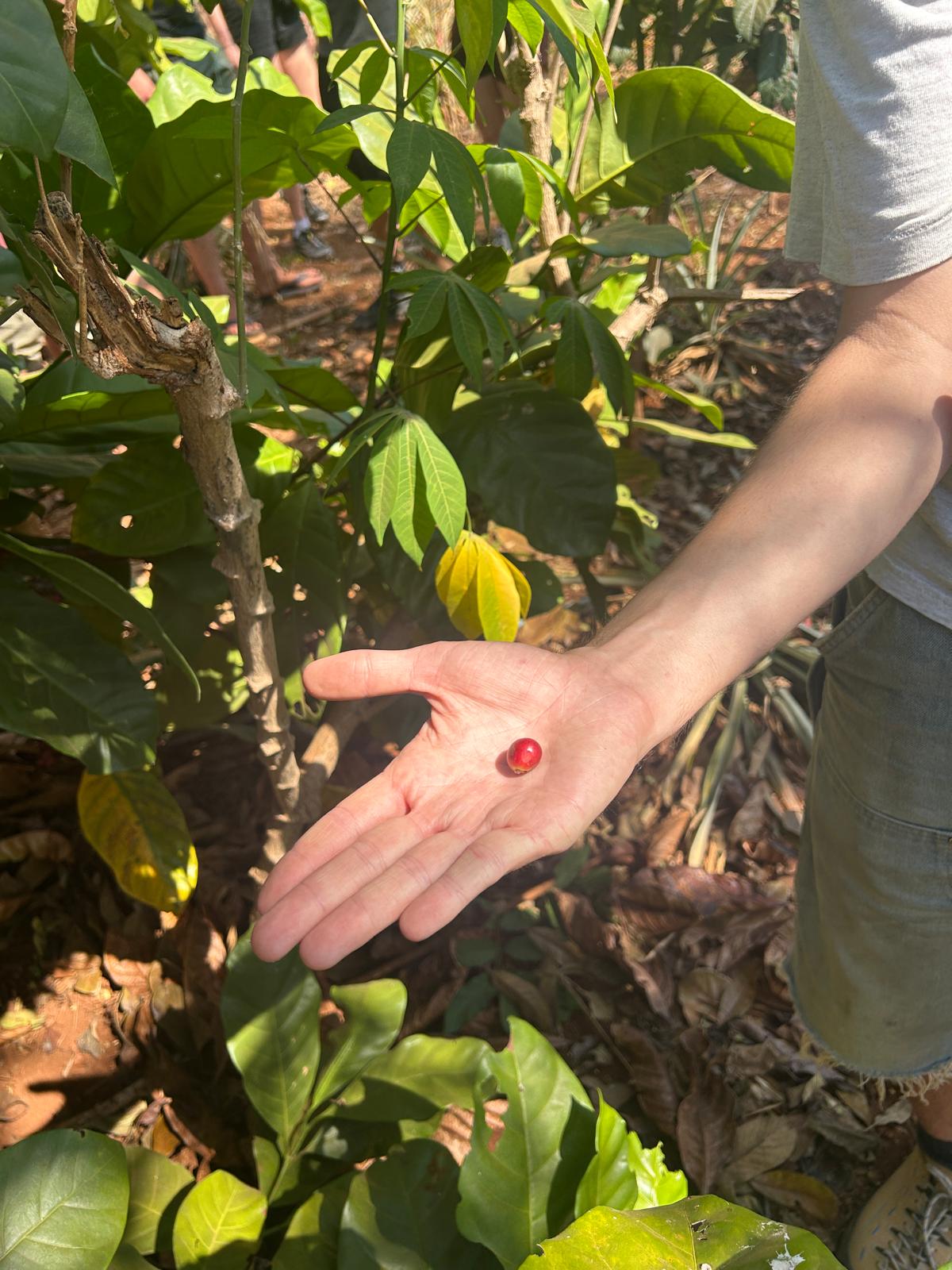
The first thing you notice is that Liberica beans are very distinct. They are large, almost spherical beans that look very different from the familiar oval Arabica seeds. The Liberica trees themselves are huge, growing up to 20 metres tall. They are famously hardy and were crucial in the history of the coffee industry. Liberica coffee offers a different flavour profile. “Experts” usually describe it as bold, smoky or woody, with hints of dark fruit and a lingering aroma. Maybe there’s a reason why only about 1% of all coffee grown globally is Liberica but we enjoyed it. It’s a bit more on the Robusta side than the Arabica. But an interesting choice.
Why was Liberica Important?
Historically, Liberica played a crucial role in the late 19th century when a disease called coffee leaf rust devastated Arabica crops worldwide. Because Liberica is naturally resistant to many diseases, it became a lifeline for the coffee industry. Although Arabica eventually reclaimed its dominance, and later Robusta exploded in popularity, Liberica never disappeared. Today it grows all over South East Asia and is experiencing a quiet resurgence as curious coffee lovers seek out its unconventional flavour.
So grab some Liberica if you ever get the chance. Try it like in Laos, as a cold brew, or with milk and a little sugar. In a world where so many coffees taste similar, Liberica is something very different.